Awakening from Outer Space
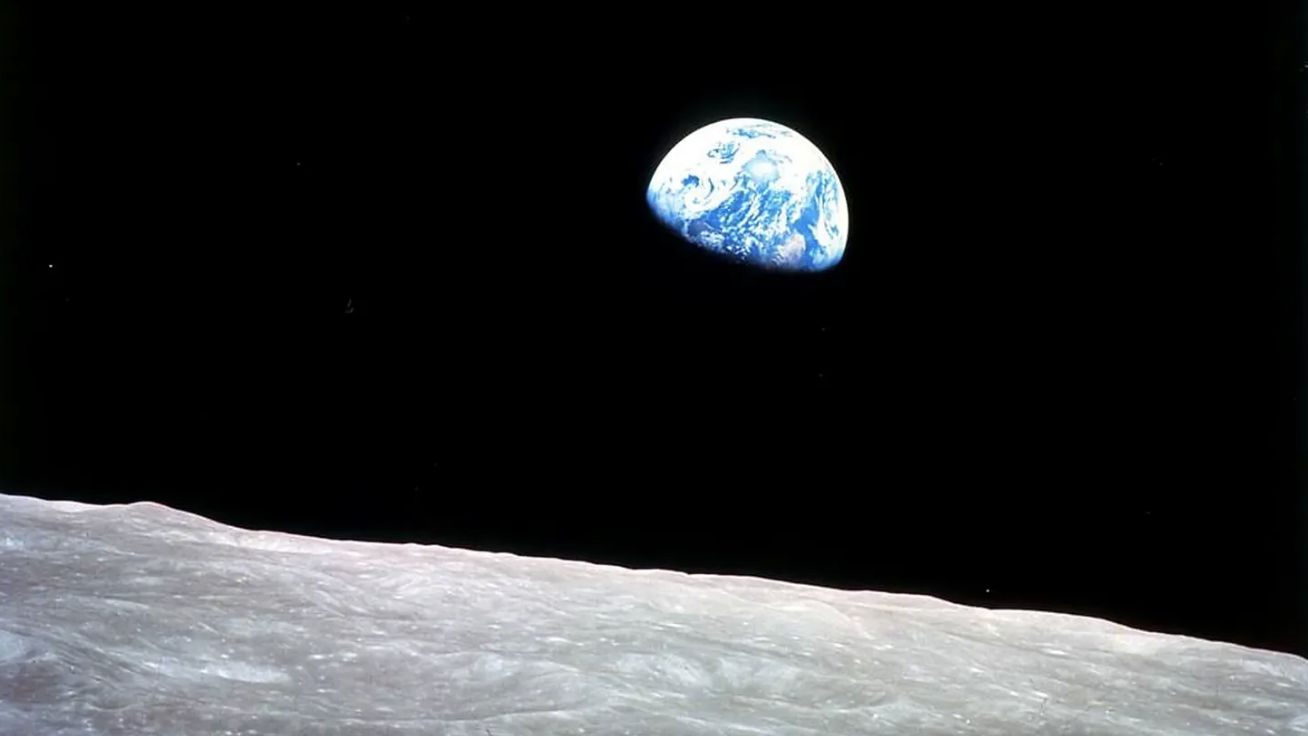
Few images have shifted the frame of human perspective as profoundly as Earthrise. Taken by astronaut William Anders on December 24, 1968, this photograph captures Earth not as a backdrop to the human drama, but as a self-contained, fragile presence floating in the vast, mysterious cosmos.
While other images of Earth had circulated prior to Anders’ photograph, none had been seen through human eyes from space; here was one of our own, blasted into the great unknown, rebroadcasting our home back to us from far beyond its edges. For the first time, the planet was witnessed not simply as “ours,” but as a being in its own right – delicate, finite, and whole.
Read More
This is Your Brain on Your Brain
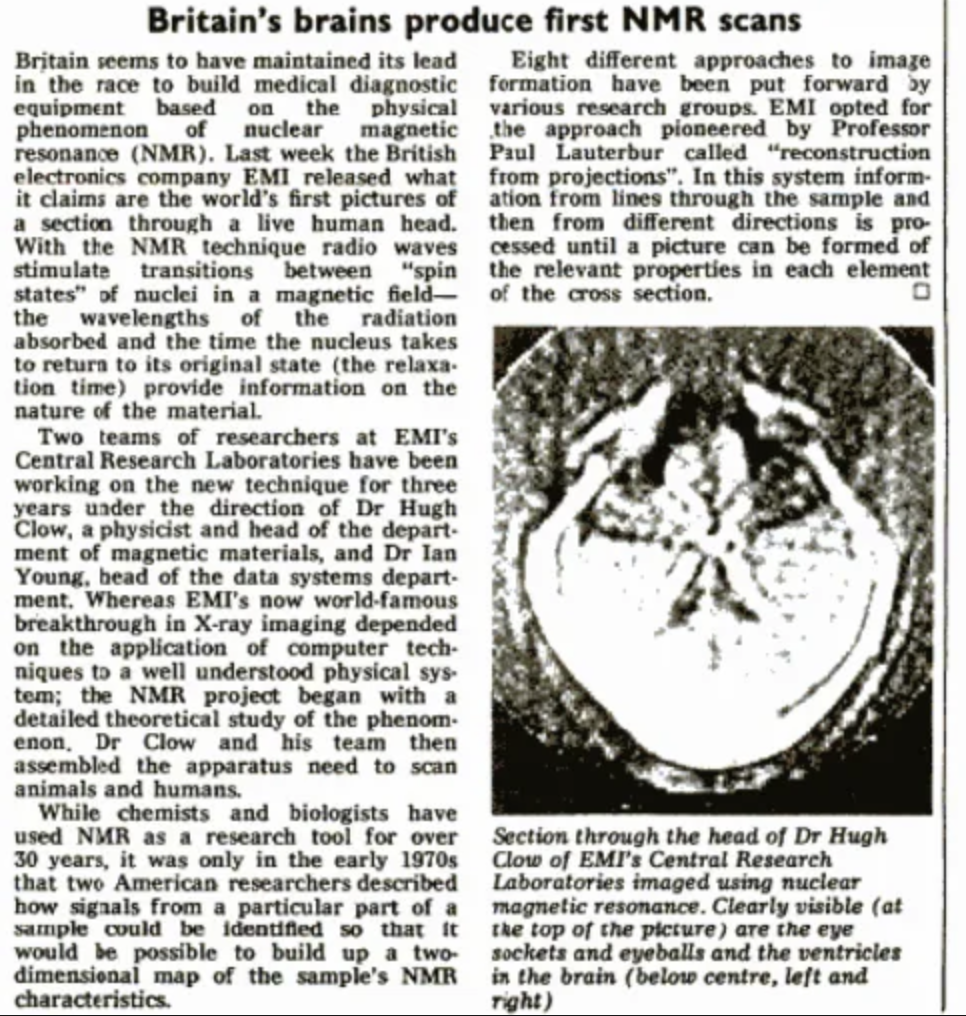
In 1978, researchers at EMI Laboratories captured the first magnetic resonance images of a human brain. These black-and-white snapshots revealed the brain’s intricate architecture by mapping hydrogen atoms in the body’s water through their behavior in a magnetic field – the first time humanity had ever seen itself at the scale of the atom. It was a monumental achievement that advanced the relatively new field of neuroscience. It was also a strange and unprecedented encounter: the brain was seeing itself function. Using the invisible, relational force of the magnetic field as its backdrop, the MRI produced something like a map of human thought, a static snapshot that stood to change the medical field forever.
Read More
Tomato, Xitomatl
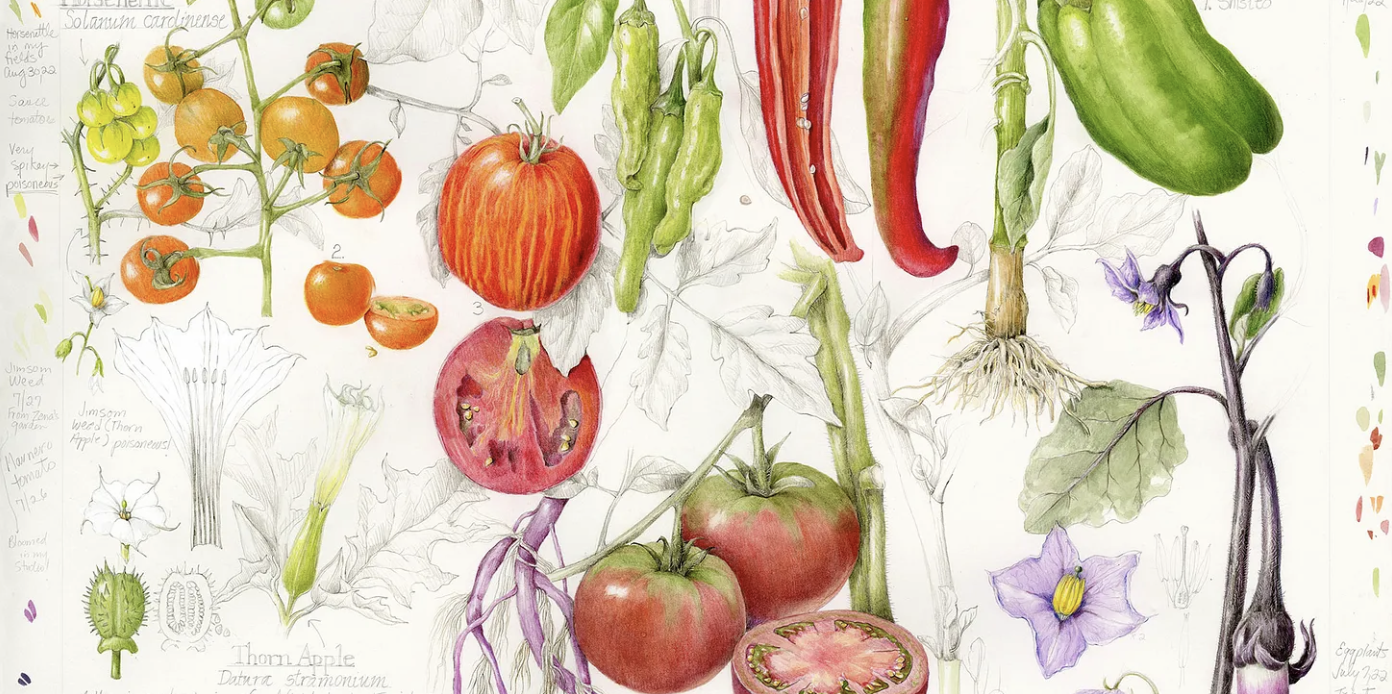
Today’s more than 10,000 tomato varieties can be traced back to the single Solanum lycopersicum, which was first found growing wild in the Andes roughly 80,000 years ago. The tomato’s millenia-long journey up the coast – through modern-day Ecuador, northern Chile, and the Galápagos – remains a mystery. The fruit’s first recorded name, however, is known to us: xitomatl, given by the Nahua people, among its most enthusiastic early cultivators.
Read More
Proof of Life
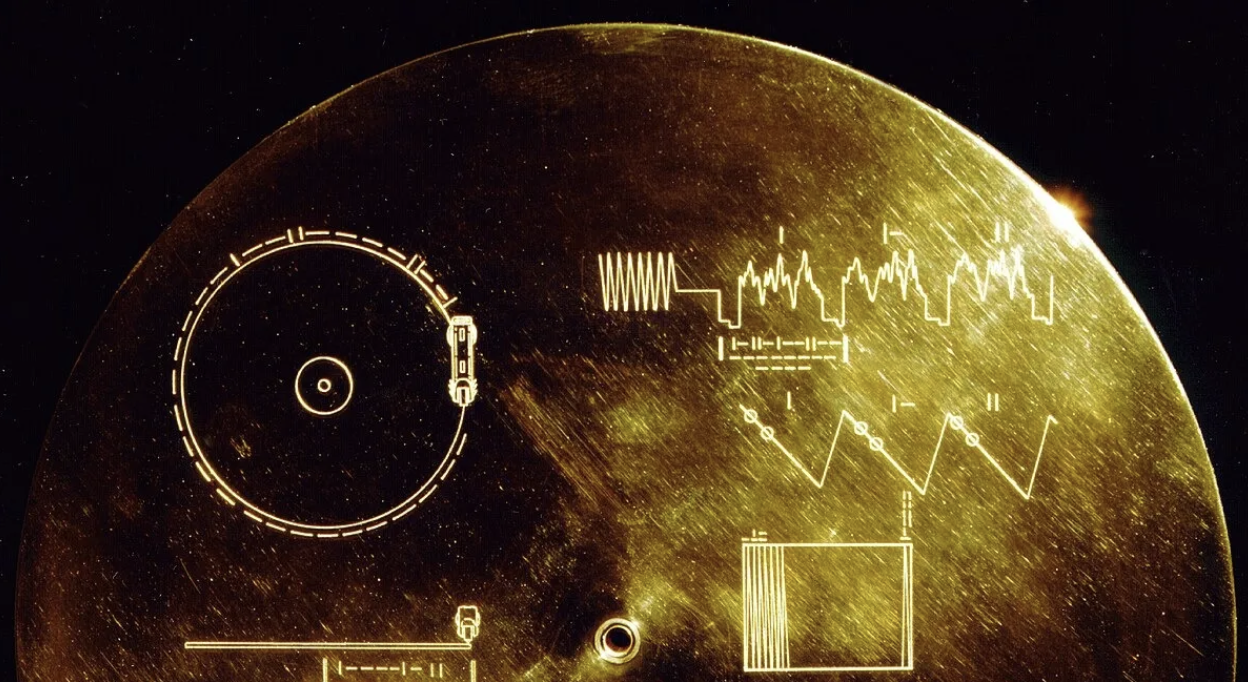
Launched aboard Voyagers 1 and 2 in 1977, the Golden Record is a message in a bottle flung into the “cosmic ocean,” a time capsule of life on earth meant to convey our cosmically brief yet expressively rich evolutionary history. Below an instruction-inscribed protective layer lies the record itself: a trove of earthly images and music, greetings in 55 ancient and modern languages, sounds of wind and thunder and lapping waves, whale calls, the laugh of hyenas, the tut-tut-tut of a tractor engine, the beating of a heart and (among many other sounds) a newborn’s cry.
Read More
Practice in Practice
Reflections on experiments in Attention Activism
Last Sunday, ten of my friends came over and sat on my floor. After grounding together with Dan Siegel’s Wheel of Awareness as our shared reference point, I passed out blindfolds and, one by one, placed random objects on the floor in front of each person — some soft, some strange, some belonging to my guests themselves. In the first round of practice, everyone sat blindfolded, touching their objects in silence for two minutes before jotting notes. In the second round, new objects circulated; still blindfolded, folks took turns describing their experience aloud for one minute. For the third round, we had a single participant experience and describe a new object while blindfolded as the rest of the group observed them, blindfolds off. It was my very first Independent Sensory Study, a small gathering that sought to explore the intricate tapestry of our eight senses (within Siegel’s frame) and the shifting “selves” that appear as we move from sensing to interpreting that sense to expressing that interpretation.
Read More
In Fine Print
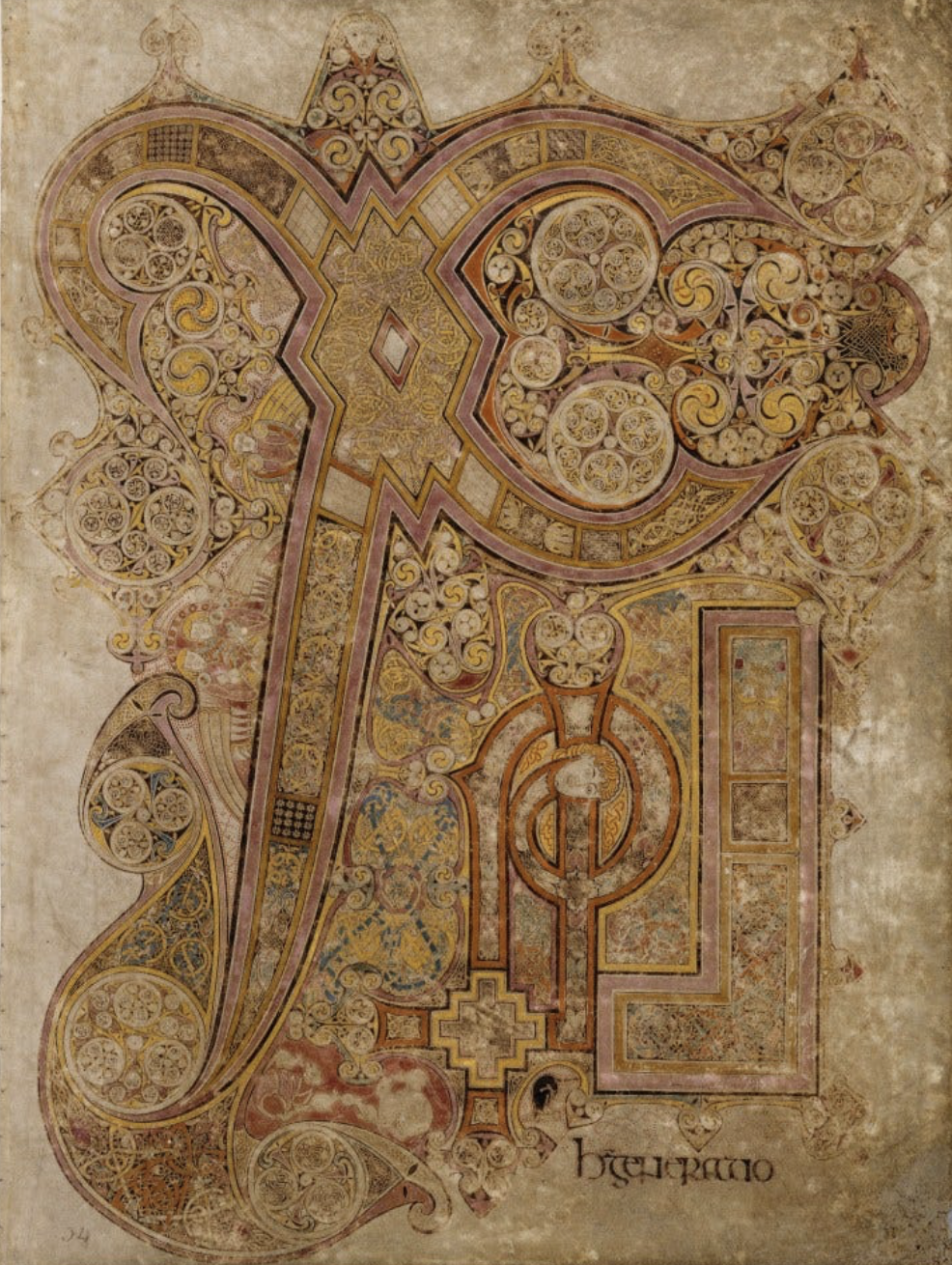
Crafted around 800 CE, likely between the Scottish island of Iona and the town of Kells in Ireland, The Books of Kells represents one of the finest examples of the “insular” style of medieval manuscript illumination. This Irish tradition preserved a symbolic vocabulary from pre-Christian Celtic culture, where the natural and supernatural intermingled freely. The pages teem with creatures both real and fantastical – cats, mice, otters, serpents, angels – amid woven patterns and geometric spirals, a visual synthesis of indigenous mythology with Byzantine and Coptic iconography.
Read More
The Shape of Absence
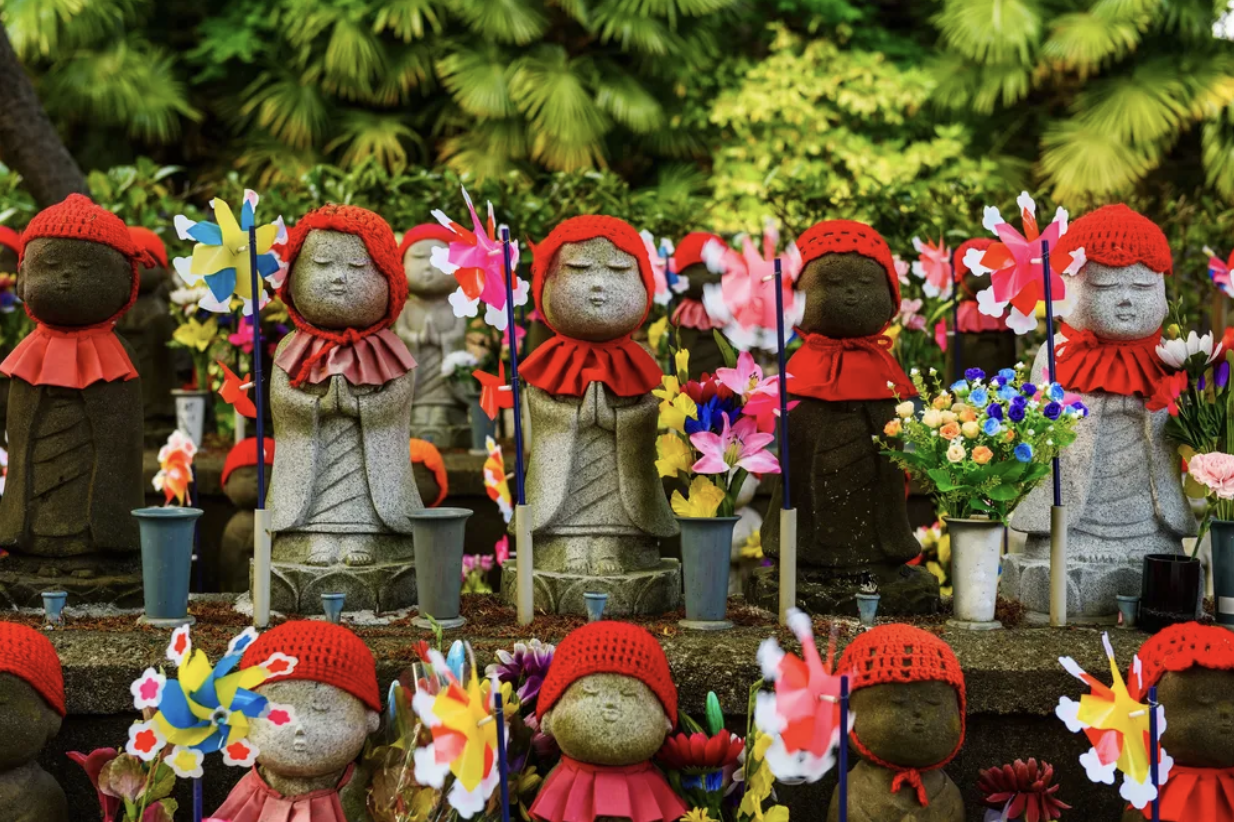
Standing beside the Tokyo Tower, one of Tokyo’s great odes to modernity, is the Zojo-ji Temple, a Jōdo-shū Buddhist temple in the city’s Minato ward. To the right of its nearly 700-year-old main hall are rows upon rows of small statues lining the temple grounds. They are thoughtfully adorned and carefully dressed, often in red, a color known to ward off evil. These figures are Jizō, bodhisattvas who have chosen to remain on earth as guides and protectors of children, particularly the Mizuko: the “water children” who were never born. Miscarried, aborted, stillborn, or otherwise lost before arriving to the world in living form, Mizuko exist in a perpetual liminal space. The statues of Zojo-ji Temple serve as embodied offerings to these waylaid souls.
Read More
Resurfacing Ruins
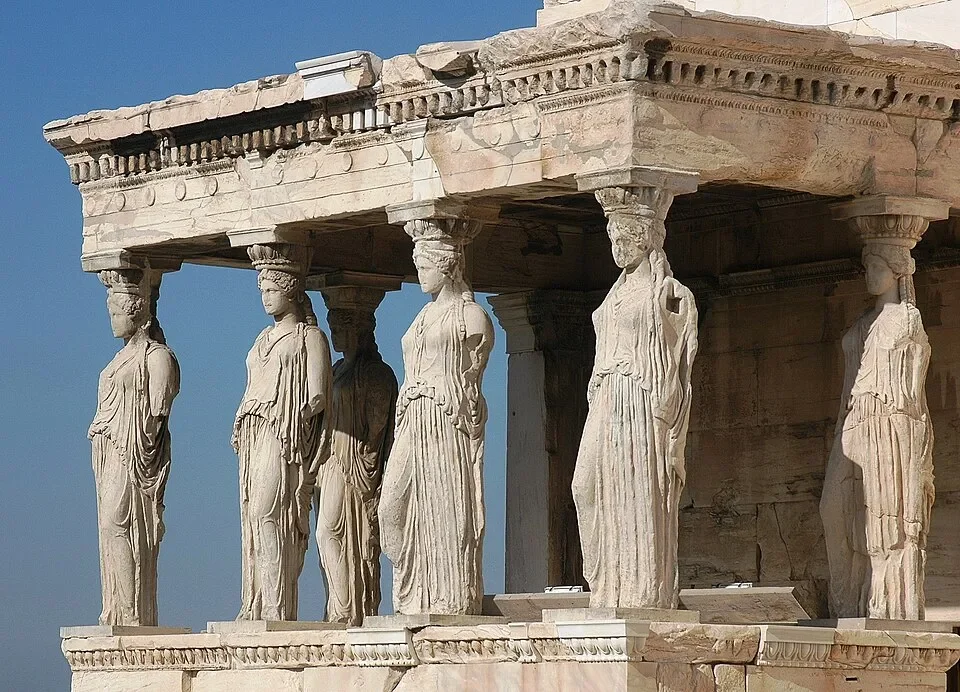
The roof of the Erechtheion, one of four ancient structures on the Acropolis of Athens, is held aloft by six Caryatids: statues of draped maidens standing over six feet tall. These marble figures are modern-day replicas (perhaps unsurprising given the originals were carved nearly 3,000 years ago, around 421–406 BCE). In 1979, Greek authorities removed the statues to protect them from pollution. Five now reside in the Acropolis Museum just down the hill; the sixth, stolen by Lord Elgin in the early 1800s, remains in the British Museum.
Read More
Dissent by Fire
On June 11, 1963, over 300 Vietnamese monks and nuns marched through the streets of Saigon to protest President Ngô Đình Diệm’s brutal repression of Buddhists. At the center of this demonstration sat a motionless Thích Quảng Đức, in lotus position, as two monks doused him in gasoline. Moments later, he set himself ablaze. He remained completely still throughout his self-immolation, offering to history one of its most harrowing and profound spectacles of protest.
Read More
Looks Like It Sounds
Pu
Meet Bouba and Kiki. Who’s who? You probably already know. Without prompting, over 95% of people instinctively assign “Kiki” to the jagged, spiky shape and “Bouba” to the soft, round one. But why?
Read More
Olympic Iconography – Tommie Smith and John Carlos at the 1968 Mexico City Olympics.
What does it mean to “use one’s platform”? While the phrase often evokes images of performative gestures on social media, track & field athletes Tommie Smith and John Carlos enacted a more literal interpretation at the 1968 Mexico City Olympics.
Read More
A Thousand Years of Living Sculpture: the Ficus of Crespi
The world’s oldest bonsai tree lives just a few kilometers outside Milan, Italy, in the small town of Parabiago. There, in a stately solarium at the Crespi Bonsai Museum, sits a 1,000-year-old Ficus retusa Linn. The so-called Ficus of Crespi found its home in the world’s first bonsai museum, after nearly a decade of negotiation between Japanese bonsai master Shotaro Kawahara and art merchant/painter Luigi Crespi. It stands, branches elegantly spread, as testament to a level of care and foresight nearly inconceivable for most contemporary visitors.
Read More
VoA 16: Shawl talim transcribed by GW Leitner (1882)
At the heart of many traditional Kashmiri weaving practices lies the Talim, an ancient symbolic notation system from as early as 3000 BC that transforms weaving into a complex linguistic configuration. The writing and decoding of talim — which bear a notable resemblance to the punch-cards of early computing machines — is an ancient and long-cherished skill, requiring a keen eye and a total mastery mirrored in the physical weaving process. The coded instruction system originates from the Arabic word ta‘līm (تعليم), meaning “education” or “instruction,” and represents a sophisticated communication method where each section of a grid represents a small portion of carpet, with colors and patterns encoded in precise, rhythmic instructions that often require hundreds of weavers to complete.
Read More
Barricades rue Saint-Maur. Avant l’attaque, 25 juin 1848.
Les journées de Juins (or the June Days uprisings) of 1848 were a brief but violent workers’ revolt in Paris against the conservative turn of the newly established French Republic. Though certainly not the first political upheaval in a city long defined by rebellion, these four days marked a consequential moment: the first known instance of a photograph appearing alongside a newspaper article. This image, attributed to Charles-François Thibault and printed in the French paper L’Illustration, captured not only the makeshift nature of the barricades (note the piled cobbles and the toppled wagon), but also the atmosphere of palpable suspense.
Read More
VoA 005 - The Village School by Jan Steen c. 1670
Jan Steen’s 17th-century painting The Village School has intrigued historians and psychologists alike as perhaps the earliest portrayal of modern day Attention Deficit Hyperactivity Disorder. The children depicted in Steen’s painting exhibit behaviors that meet many of the criteria designated by psychologists for ADHD, including leaving their seat, fidgeting, running around, difficulty playing quietly, and excessive talking.
Read More